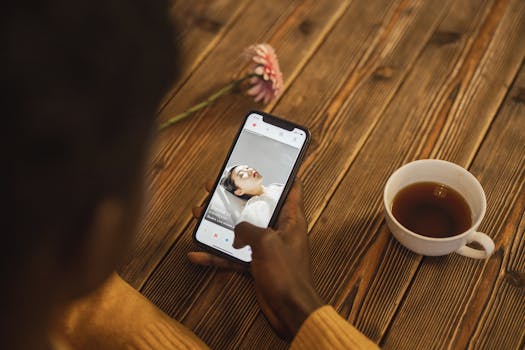
Modern Love: The Impact of Technology on Relationships
Introduction
The ways in which people connect, date, and maintain romantic relationships have changed dramatically over the past two decades. The rise of smartphones, social media, and dating apps has fundamentally reshaped the landscape of modern love. According to Pew Research Center, around 30% of U.S. adults have used a dating site or app, and the number rises to nearly 50% for those aged 18-29. Technology now plays a pivotal role in how relationships are formed, nurtured, and sometimes ended. This article explores the profound impact of technology on relationships, highlighting both the benefits and challenges, and examining how couples can navigate the digital age to foster healthy, meaningful connections.
The Rise of Online Dating
.png)
Online dating has become one of the most significant technological influences on modern relationships. In the past, people typically met partners through friends, work, or social gatherings. Today, dating apps like Tinder, Bumble, and Hinge have revolutionized the process by providing platforms where people can connect with potential matches outside their immediate social circles.
A 2023 study by Stanford University found that nearly 39% of couples who married in the last decade met online, a sharp increase from just 2% in 1995. The convenience and accessibility of these platforms have made it easier for individuals to meet people with similar interests, backgrounds, and relationship goals. Algorithms help users filter potential matches by age, location, values, and more, streamlining the search for compatibility.
However, online dating also presents challenges. The paradox of choice can lead to decision fatigue, where an abundance of options makes it harder to commit. Additionally, the anonymity of online platforms can sometimes encourage superficiality or dishonesty. Catfishing—where someone pretends to be someone else online—remains a concern, with the Federal Trade Commission (FTC) reporting over 25,000 cases of romance scams in 2022 alone.
Communication in the Digital Era
Technology has transformed how couples communicate, offering new ways to connect but also introducing potential pitfalls. Instant messaging, video calls, and social media platforms allow couples to stay in touch regardless of physical distance. According to a 2021 survey by Statista, 72% of couples said they communicated with their partner via text message daily, and 45% used video calls at least once a week.
These tools can help maintain intimacy, especially in long-distance relationships. A study published in the Journal of Communication found that couples in long-distance relationships who used video calls and messaging apps reported higher satisfaction and emotional closeness compared to those who relied on less frequent communication methods.
On the flip side, the constant availability of digital communication can blur boundaries. The expectation for immediate responses can lead to misunderstandings or pressure, while misinterpreted texts or emojis may cause unnecessary conflict. Moreover, the rise of "phubbing"—the act of ignoring one's partner to look at a smartphone—has been linked to lower relationship satisfaction.
Social Media and Relationship Dynamics
Social media platforms such as Facebook, Instagram, and Snapchat play a central role in how people present and perceive their relationships. Sharing photos, relationship statuses, and milestones online can foster a sense of connection and celebration. However, these platforms also introduce new sources of stress and conflict.
A 2022 survey by the American Psychological Association revealed that 34% of adults reported feeling jealous or insecure due to their partner's interactions on social media. The visibility of past relationships, interactions with strangers, and comparison with other couples can fuel jealousy and anxiety. Additionally, social media can sometimes serve as a platform for public arguments or "relationship policing," where one partner monitors the other's online activities.
Despite the potential drawbacks, when used mindfully, social media can strengthen relationships. Couples who celebrate each other online and share positive moments tend to report higher levels of relationship satisfaction, according to research from the University of Kansas.
Technology and Long-Distance Relationships
Long-distance relationships (LDRs) have traditionally faced significant challenges, with distance posing barriers to communication, intimacy, and shared experiences. Technology has dramatically improved the prospects for LDRs, making it easier for couples to stay connected and engaged.
Video calling platforms like Zoom, FaceTime, and WhatsApp have enabled couples separated by miles or even continents to maintain face-to-face communication. Shared digital experiences, such as watching movies together via streaming services or playing online games, help foster a sense of togetherness.
A 2020 study published in Communication Research found that couples in long-distance relationships who used technology to communicate daily were just as satisfied, and sometimes even more so, than those in geographically close relationships. Virtual reality (VR) platforms are also beginning to play a role, providing immersive environments where couples can "meet" in a virtual space.
However, technology cannot fully replace physical presence. The inability to share physical touch and spontaneous moments remains a challenge for many couples, and technological glitches or time zone differences can add to the complexity.
Privacy, Trust, and Digital Boundaries
One of the most complex impacts of technology on relationships involves privacy and trust. Sharing passwords, tracking locations, and monitoring social media activity can be sources of tension. According to a 2021 Pew Research Center survey, 27% of adults in relationships reported that their partner had checked up on them or read their messages without permission.
Establishing digital boundaries is essential for healthy relationships. Couples who openly discuss their expectations around privacy and technology use are more likely to avoid misunderstandings and build trust. For example, some couples choose to share passwords as a sign of transparency, while others maintain separate digital spaces to preserve individuality.
Technology can also play a positive role in safeguarding relationships. Apps that facilitate shared calendars, reminders for important dates, or secure messaging can help couples stay organized and connected.
Comparing Relationship Dynamics: Pre-Technology vs. Digital Age
To better understand the changes, let's compare key aspects of relationships before and after the widespread adoption of digital technology.
| Aspect | Pre-Technology Era | Digital Age |
|---|---|---|
| Meeting Partners | Friends, family, work, social events | Online dating apps, social media, virtual communities |
| Communication | Face-to-face, phone calls, letters | Texting, instant messaging, video calls, emojis |
| Long-Distance Relationships | Expensive calls, infrequent letters or visits | Daily video calls, shared digital experiences, VR interactions |
| Conflict Resolution | In-person discussions, occasional phone calls | Text-based arguments, social media involvement, digital miscommunication |
| Relationship Milestones | Private celebrations, photos in albums | Public sharing on social media, digital scrapbooks, anniversary reminders |
Navigating Modern Love: Tips for Healthy Relationships in the Digital Age
While technology offers many tools for connection, it also requires couples to be intentional about how they use it. Here are some evidence-based strategies for maintaining healthy relationships in a tech-driven world:
- Communicate Openly: Discuss expectations around technology use, privacy, and digital boundaries. Transparency reduces misunderstandings and builds trust.
- Prioritize Quality Time: Make time for undistracted, in-person interaction. Establish "tech-free" zones or times, such as during meals or before bed.
- Use Technology Mindfully: Leverage digital tools to strengthen your bond—schedule video dates, share playlists, or create digital scrapbooks. Avoid using technology to monitor or control your partner.
- Address Conflicts Offline: Resolve sensitive issues face-to-face or via video call, rather than through text messages where tone and context may be lost.
- Celebrate Milestones: Use social media to share positive moments, but avoid comparing your relationship to others. Focus on what makes your connection unique.
Conclusion
Technology has become an inseparable part of modern love, offering new opportunities for connection, communication, and intimacy. While it brings undeniable benefits—especially for long-distance couples and those seeking partners outside their immediate circles—it also introduces new challenges, from digital distractions to privacy concerns. The key to thriving in the digital age is mindful, intentional use of technology, open communication, and a shared commitment to nurturing the relationship both online and offline. As technology continues to evolve, so too will the ways in which we love and connect.