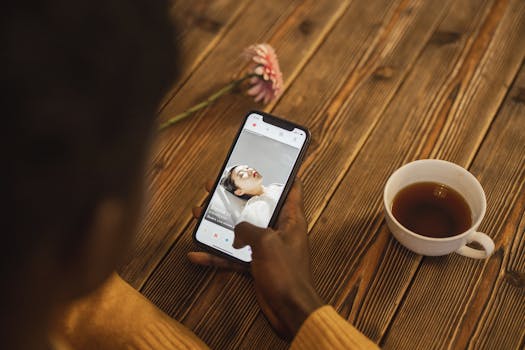
Online Dating Etiquette: Tips for New Users
Online dating has transformed the way people meet, connect, and build relationships. According to Statista, as of 2023, more than 366 million people worldwide used online dating platforms, and that number is expected to keep growing. For newcomers, the digital dating world can be both exciting and overwhelming. While the basics of creating a profile and messaging are straightforward, understanding the unwritten rules of online dating etiquette is essential for meaningful connections and enjoyable experiences.
Whether you’re embarking on your first foray into online romance or returning after a hiatus, practicing good etiquette enhances your chances of success and ensures respectful interactions. This comprehensive guide will walk you through the key principles of online dating manners, from first messages to moving conversations offline, and help you navigate the dos and don’ts that every new user should know.
Understanding the Online Dating Landscape: Setting Expectations
Before diving into etiquette specifics, it’s important to recognize that online dating operates under its own set of social norms. Unlike traditional dating, where body language and immediate feedback play a significant role, digital communication can be more ambiguous. According to a Pew Research Center study, 30% of U.S. adults have used an online dating site or app, and about 12% have married or been in a committed relationship with someone they met online.
.png)
The diversity of platforms, ranging from Tinder to eHarmony, means users can encounter varying intentions—from casual encounters to serious relationships. Setting clear expectations for yourself and being transparent with others is a foundational aspect of online dating etiquette. It’s crucial to:
- Know what you’re looking for (casual dating, friendship, long-term partnership) - Be upfront in your profile and conversations - Respect that not everyone will be on the same pageThis honest approach helps filter compatible matches and reduces misunderstandings from the start.
Crafting Your First Impression: Profile and Messaging Etiquette
Your profile is your digital handshake. It’s the first thing other users see and often determines whether someone will initiate a conversation. According to eHarmony, profiles with at least three photos and a well-written bio receive 40% more messages than those with scant information.
Best practices for profile etiquette: - Use recent, clear photos that genuinely represent you - Avoid heavily edited or misleading images - Write a concise, authentic bio that highlights your interests and intentions - Proofread for spelling and grammar, which 65% of users say is a significant factor in first impressions When it comes to messaging, etiquette is equally important: - Personalize your opening message: Refer to something from their profile to show genuine interest - Be polite and avoid overly suggestive or generic lines - Don’t bombard a match with multiple messages if they don’t reply immediately; patience is key - Respect boundaries—if someone isn’t interested or stops responding, move on gracefullyPrivacy, Safety, and Respect: Navigating Boundaries Online
Online dating requires a higher level of sensitivity regarding privacy and boundaries. According to a 2022 study by Pew, 57% of women and 35% of men aged 18-34 have experienced someone continuing to contact them on a dating site after they said they were not interested.
To maintain proper etiquette and safety: - Never pressure someone to share personal details (last name, address, workplace) early on - Avoid asking overly intrusive questions in initial conversations - Always ask before sharing your own sensitive information or moving the conversation off-platform (to text, phone, or social media) - Respect “no” as a complete answer—if someone declines to meet, share information, or continue chatting, accept their decisionAdditionally, be vigilant about scams and catfishing. Reputable dating platforms have security features, but users should always exercise caution when interacting with strangers online.
From Chat to Date: Timing, Communication, and Courtesy
Once a connection is established, transitioning from online to offline or from chatting to a video call can be exciting but delicate. Timing is key: according to a survey by Match.com, most users prefer to exchange messages for 1-2 weeks before arranging a first date.
Etiquette tips for moving forward: - Suggest meeting only when both parties feel comfortable—never rush or pressure - Propose public, safe locations for first meetings - Communicate clearly about plans and confirm details to show reliability - Be punctual for dates or video calls; running late? Send a quick message as a courtesyIf you’re not feeling a connection after communicating or meeting, honesty is the best policy. Send a polite message expressing appreciation for their time and gently let them know you’d like to move on. Ghosting (disappearing without explanation) is considered poor etiquette, with 78% of online daters reporting they’ve experienced it.
Handling Rejection and Conflict: Grace and Maturity Matter
Rejection is an inevitable part of online dating, but how you handle it speaks volumes. According to a University College London study, people who respond to rejection with kindness and respect are 60% more likely to have positive interactions in the future—even with new matches.
Tips for handling rejection: - Accept “no” graciously, without trying to persuade or guilt the other person - Don’t retaliate with rude or negative comments - Use rejection as a learning experience, not a personal failure Similarly, if you need to reject someone: - Be prompt and direct but kind in your response - Avoid generic lines like “It’s not you, it’s me”—a simple, honest message is appreciated - Never shame or insult someone for characteristics outside their controlIf a conflict arises—such as a misunderstanding or disagreement—strive to resolve it calmly. Miscommunications are common in text-based conversations, so clarifying intent and tone can often de-escalate tension.
Comparison Table: Online vs. Offline Dating Etiquette
How does online dating etiquette differ from traditional, in-person dating? The table below highlights some key differences and similarities:
| Etiquette Aspect | Online Dating | Offline Dating |
|---|---|---|
| First Impressions | Profile, photos, and opening messages; digital presentation is primary | Physical appearance, body language, real-time conversation |
| Communication | Text-based, can edit before sending, risk of misinterpretation | Spoken, immediate feedback, tone and nonverbal cues |
| Privacy | High emphasis on protecting personal information | More likely to share details earlier (e.g., meeting through friends) |
| Handling Rejection | Ghosting is common but frowned upon; written rejections preferred | Usually face-to-face; verbal communication is standard |
| Safety | Strong focus on vetting, public meeting spots, reporting features | Physical safety considered, but less emphasis on digital scams |
Conclusion: Making the Most of Your Online Dating Experience
Online dating can open doors to new friendships, romances, and even lifelong partnerships, but the journey is smoother and more rewarding when guided by good etiquette. By presenting yourself authentically, respecting others’ boundaries, communicating kindly, and handling rejection with maturity, you’ll stand out in a crowded digital landscape.
Remember: behind every profile is a real person with feelings, hopes, and vulnerabilities. Practicing empathy and courtesy not only increases your chances of finding a meaningful connection but also contributes to a more positive online dating community for everyone.