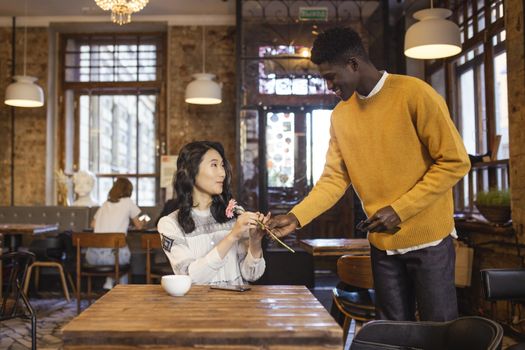
The Evolution of Online Matchmaking: From Algorithms to Authentic Connections
Online matchmaking has undergone a dramatic transformation since its humble beginnings in the early days of the internet. What once started as rudimentary matchmaking forums and classified ads has blossomed into a sophisticated, data-driven industry that touches the lives of hundreds of millions worldwide. As technology, culture, and user expectations have evolved, so too have the platforms and strategies that connect people online. This article explores the major milestones, emerging trends, and societal impacts that define the evolution of online matchmaking.
The Early Days: From Bulletin Boards to the First Dating Sites
The concept of matchmaking is ancient, but the digital revolution brought it into the modern era. In the 1980s and early 1990s, online matchmaking took its first steps via bulletin board systems (BBS) and early chat rooms. These platforms allowed users to post personal ads and connect, but interactions were slow and often anonymous.
The launch of Match.com in 1995 marked a significant milestone. As the first major online dating site, Match.com introduced searchable profiles and email-based communication, paving the way for the digital romance revolution. By 2000, websites like eHarmony and JDate began using proprietary questionnaires and compatibility algorithms, promising users a more scientific approach to finding love.
.png) Key facts from this era:
- Match.com launched in 1995 and quickly reached over 100,000 active users.
- By the year 2000, more than 20 million people had tried online dating in the United States.
- Early sites primarily targeted singles aged 30 and above, reflecting the internet’s initial user demographics.
Key facts from this era:
- Match.com launched in 1995 and quickly reached over 100,000 active users.
- By the year 2000, more than 20 million people had tried online dating in the United States.
- Early sites primarily targeted singles aged 30 and above, reflecting the internet’s initial user demographics.
The Algorithm Age: Science Meets Romance
As the new millennium unfolded, the focus of online matchmaking shifted from simple profile browsing to data-driven compatibility. Sites like eHarmony, launched in 2000, and OkCupid (founded in 2004) utilized personality tests and detailed algorithms to match users based on shared interests, values, and psychological traits.
The algorithmic approach was a game-changer. Users completed lengthy questionnaires, some with more than 200 questions, which enabled platforms to analyze compatibility in unprecedented detail. This era also saw the rise of “niche” dating sites catering to specific interests, backgrounds, or lifestyles, further personalizing the matchmaking experience.
Notable statistics: - eHarmony’s compatibility model was developed by a team of clinical psychologists and claimed to account for 29 dimensions of compatibility. - By 2010, OkCupid boasted over 7 million active users, driven by its free platform and data-centric matching. - Pew Research found that by 2013, 11% of American adults had used an online dating site or app, up from 3% in 2008.The Mobile Revolution: Swiping, Speed, and Scale
The introduction of smartphones and mobile apps fundamentally changed how people engaged with online matchmaking. Tinder, launched in 2012, revolutionized the industry with its swipe-based interface, making the process faster, more visual, and accessible anywhere. This mobile-first experience quickly became the new norm.
Mobile matchmaking platforms emphasized simplicity and instant gratification. Users could browse dozens of profiles in minutes, with matches determined by mutual interest. This shift led to explosive growth—Tinder alone reported over 65 billion matches by 2023.
The mobile era also introduced new challenges: - Increased focus on appearance over compatibility. - Concerns about “choice overload” and superficiality. - A dramatic rise in the number of matches but a lower rate of meaningful connections.Comparison Table: Classic Algorithmic Sites vs. Mobile Dating Apps
| Feature | Algorithmic Sites (e.g., eHarmony) | Mobile Apps (e.g., Tinder) |
|---|---|---|
| Matching Method | Personality and compatibility questionnaires | Location-based swiping, mutual interest |
| User Demographics | Generally 25+; seeking serious relationships | 18-35; mix of casual and serious |
| Profile Depth | Detailed, often lengthy profiles | Brief, photo-centric profiles |
| Communication Tools | Messaging after matching via algorithm | Instant messaging upon mutual swipe |
| Growth Rate (2010-2020) | Steady, moderate | Explosive; Tinder reached 100 million users by 2020 |
Diversity and Inclusion: Expanding the Matchmaking Landscape
As online matchmaking matured, the demand for greater diversity and inclusivity reshaped the industry. Platforms began to cater to a broader spectrum of identities, orientations, and cultural backgrounds. For example, Grindr, launched in 2009, became the world’s largest social networking app for gay, bi, trans, and queer people, with over 13 million monthly users globally by 2021.
Other platforms like HER for LGBTQ+ women, BLK for Black singles, and Muzmatch for Muslim singles have further diversified the landscape. This shift reflects both changing societal attitudes and the recognition of unique needs within different communities.
Key trends: - 56% of LGBTQ+ adults under 30 have used dating apps, compared to 28% of straight adults (Pew Research, 2023). - Niche platforms now account for an estimated 15% of the global online dating market. - Many major dating apps have expanded gender and orientation options, with Tinder offering 37 gender identities and 9 sexual orientations since 2019.The Age of Authenticity: Video, Verification, and Real-Life Connections
With the rise of “catfishing” and online scams, authenticity has become a top priority for both users and platforms. Video profiles and selfie verification are now standard features on many services, helping to ensure users are who they claim to be. According to a 2022 Statista report, 41% of online dating users said that safety and authenticity features were crucial in their choice of platform.
Live video dates, introduced during the COVID-19 pandemic, have become a lasting trend, allowing users to build rapport before meeting in person. Apps like Hinge and Bumble have also introduced icebreaker prompts and guided conversations, encouraging users to move beyond superficial interactions.
Examples of authenticity trends: - Bumble implemented photo verification in 2016, reducing reported catfishing incidents by over 25%. - Hinge’s “Your Turn” feature prompts users to continue conversations, increasing message response rates by 40%. - The popularity of video chat features surged by 70% during the pandemic lockdowns.Artificial Intelligence and the Future of Matchmaking
The latest wave in online matchmaking is powered by artificial intelligence (AI) and machine learning. Modern platforms use AI to analyze user behavior, optimize matches, and even suggest icebreakers or conversation starters. Some services, like Iris Dating, claim to use facial recognition and emotional analysis to predict attraction.
Additionally, AI is being leveraged to identify and remove fraudulent profiles, enhancing safety. According to Juniper Research, AI-driven dating platforms are projected to generate over $3 billion in revenue by 2025, reflecting both user demand and investor confidence.
Emerging AI-powered features include: - Real-time conversation analysis to suggest compatible matches. - Automated moderation of inappropriate content or spam. - Predictive algorithms that learn from user interactions to improve match quality.What the Evolution of Online Matchmaking Means for Society
The evolution of online matchmaking has had profound effects on how people form relationships and communities. Today, online dating is the most popular way couples meet, surpassing introductions by friends or family. A Stanford University study found that in 2019, 39% of couples who married in the U.S. met online—up from just 2% in 1995.
Online matchmaking’s reach extends beyond romance. Many platforms now facilitate friendships, business networking, and even mentorships, blurring the lines between social and romantic connections. However, challenges remain, including digital fatigue, privacy concerns, and the need for ongoing innovation to foster genuine human connections.