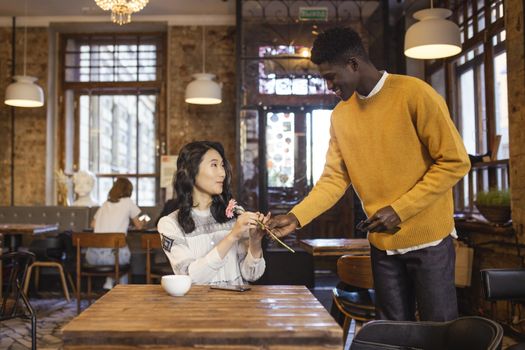
The Algorithm of Love: Online Matchmaking Unveiled
Love in the digital age is no longer just about chance encounters or mutual friends introducing two people at a party. Today, millions of singles around the world entrust their romantic fate to the intricate, unseen algorithms powering online matchmaking platforms. But what exactly goes on behind the screens when you swipe, match, or receive a suggested connection? The algorithm of love is a complex blend of mathematics, psychology, and user data—a modern Cupid that’s fueled by code and computation. In this article, we’ll pull back the curtain on how these algorithms work, their evolution, their impact on human relationships, and the ethical questions they raise.
The Science Behind Matchmaking Algorithms
At the core of every online dating site or app lies an algorithm—essentially, a set of rules or calculations designed to predict compatibility between users. Early online matchmaking, like that used by Match.com in the 1990s, relied on simple questionnaires and keyword matching. Fast-forward to 2024, and the landscape is dramatically more sophisticated.
Modern matchmaking algorithms often employ machine learning, artificial intelligence (AI), and complex statistical models. For example, eHarmony claims its compatibility model draws on 29 dimensions of personality. Tinder, on the other hand, initially used the Elo rating system (originally developed for chess players) to rank user desirability based on swipes, though it has since moved to a more nuanced, machine-learning-based approach.
.png)
Some of the most common variables considered by algorithms include:
- Age, location, and gender preferences - Shared interests and hobbies - Communication styles and values - Activity frequency and responsiveness - Behavioral data, such as swiping or messaging habitsA 2023 Pew Research Center study found that 30% of U.S. adults have used a dating site or app, and over 60% of those users believe the algorithms are at least somewhat effective at suggesting compatible matches.
From Questionnaires to Deep Learning: The Evolution of Digital Dating
The journey from early online matchmaking to today’s AI-powered systems reflects broader advances in technology and data science.
In the 2000s, compatibility was mostly determined by self-reported answers to personality quizzes and preferences. Popular sites like OkCupid would use these answers to calculate a “match percentage” between users. However, self-reported data brought its own challenges, such as bias or inaccuracies—users might answer based on who they wish to be, not who they really are.
Today, algorithms can analyze far more than just what users say. For instance, some platforms monitor how quickly a user responds to messages, what kind of profiles they linger on, or even their writing style. These behavioral signals allow for adaptive algorithms that get “smarter” the more you use the platform.
Deep learning, a subset of machine learning, allows algorithms to process massive datasets and spot patterns that might elude human matchmakers. For example, platforms can analyze millions of successful matches to learn which combinations of traits, interests, and communication styles most often lead to real-world relationships.
Algorithmic Matchmaking: Pros and Cons Compared
While many users appreciate the efficiency and breadth of options that algorithms provide, the system is far from perfect. Let’s compare the strengths and weaknesses of algorithm-driven matchmaking versus more traditional methods.
| Aspect | Algorithmic Matchmaking | Traditional Matchmaking |
|---|---|---|
| Speed & Efficiency | Matches thousands in seconds; filters based on preferences | Often slow; relies on social networks or matchmakers |
| Match Pool Size | Millions of potential matches globally | Limited to local community/friends of friends |
| Personal Touch | Impersonal, relies on data; may miss nuanced chemistry | Human intuition; considers context and subtleties |
| Bias & Limitations | Subject to programming bias; can reinforce stereotypes | Subject to human biases; but can adapt on the fly |
| Success Rate | Varies; eHarmony claims 4% of U.S. marriages in 2020 | Hard to quantify; often dependent on social context |
It’s clear that algorithms excel at handling large quantities of data and providing a broad array of choices. However, they can sometimes lack the nuance and empathy that human matchmaking brings.
Data Privacy and Ethical Concerns in Online Matchmaking
With algorithms analyzing every click, swipe, and message, data privacy has become a pressing concern for online dating users. Dating platforms collect highly sensitive personal information, from sexual orientation to political views. According to a 2022 Kaspersky report, nearly 60% of dating app users worry about their personal data being misused.
Furthermore, the way algorithms are programmed can introduce or reinforce biases. Studies have shown that some matchmaking algorithms inadvertently promote racial or age-based filtering, either through user preferences or the algorithm’s own learning patterns. This can unintentionally limit the diversity of matches and perpetuate social prejudices.
Transparency is another ethical issue. Many platforms keep their algorithms secret, citing trade secrets, but this makes it difficult for users to understand why they are matched (or not) with certain people. In 2021, the European Union began considering regulations to require greater transparency and fairness in algorithmic matchmaking, aiming to ensure that dating platforms are held accountable for their methods.
Success Stories and Surprising Outcomes
Despite concerns, algorithmic matchmaking has produced many success stories. According to a 2023 Stanford study, over 39% of couples who got married in the last five years met online—a number that has more than doubled since 2010.
Some platforms tout their own statistics: for instance, Match.com claims to be responsible for more relationships and marriages than any other dating site, while eHarmony says its algorithms have led to over 2 million marriages globally. These numbers highlight the transformative power of online matchmaking, especially for people who might not meet suitable partners in their day-to-day lives.
However, algorithms can also yield unexpected results. Some users find love with people outside their stated preferences, suggesting that human chemistry can defy even the most sophisticated code. Others report “algorithm fatigue”—the feeling of being overwhelmed by endless matches and options, which can lead to decision paralysis or disappointment.
The Future of Love Algorithms: What’s Next?
As technology advances, so too will the algorithm of love. Researchers are experimenting with next-generation models that include voice analysis, facial recognition, and even biosignal monitoring (like heart rate or eye movement) to predict attraction. There’s also a growing interest in “explainable AI”—algorithms that can show users why a match was suggested, increasing transparency and trust.
Virtual and augmented reality are poised to further revolutionize online dating. Imagine being able to go on a virtual date in a digital Paris or walk along a virtual beach, all matched by an AI that knows your personality and preferences inside and out.
Ultimately, the future of online matchmaking will likely be a blend of human intuition and artificial intelligence, allowing for both the efficiency of algorithms and the empathy of real people.
What the Algorithm of Love Means for Modern Relationships
The algorithm of love is reshaping not just how people meet, but how they think about compatibility and relationships. While algorithms can’t guarantee happily-ever-after, they can open doors to connections that might never have happened otherwise.
For singles, understanding how these systems work can help them navigate online dating with clearer expectations and greater self-awareness. For society, the rise of algorithmic matchmaking raises important questions about privacy, diversity, and the role of technology in our most intimate lives.
Whether you’re a believer in the power of data or a skeptic who values serendipity, one thing is certain: the algorithm of love is here to stay—and its impact will only grow in the years ahead.