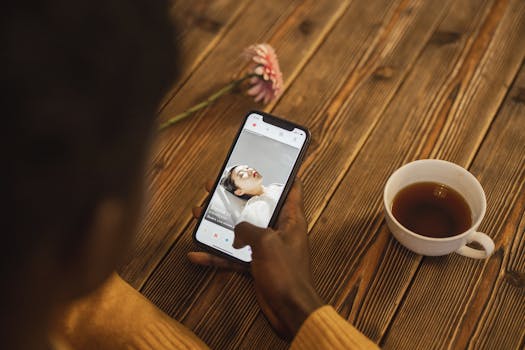
Online dating has revolutionized how we form connections, making it easier than ever to meet people from all walks of life. But after days or weeks of messaging, a critical question arises: when and how should you transition from virtual conversations to meeting in person? The answer isn’t always straightforward, and getting the timing right can make all the difference between a blossoming romance and an awkward encounter. In this article, we’ll explore the key signs that you’re ready to move offline, strategies for a smooth transition, and practical tips for ensuring your first meeting is both enjoyable and safe.
Recognizing the Right Time: Signs You’re Ready to Meet in Person
One of the most common questions in online dating is: “How long should we chat before meeting?” While there is no universal answer, research and expert opinions provide useful guidelines.
A 2023 Pew Research Center study found that 60% of online daters prefer to meet in person within two weeks of starting to chat, while 25% wait up to a month. However, the most important factor is not the number of days, but the quality of your connection.
.png)
Here are some signs that indicate you’re ready to take the next step:
- $1 You’ve exchanged messages regularly, and conversations flow naturally. - $1 Through your chats, you’ve identified important areas of compatibility. - $1 Both sides feel comfortable sharing personal stories and even vulnerabilities. - $1 Both of you express interest in meeting, not just one-sided suggestions. - $1 You’ve discussed expectations and boundaries regarding the meeting.According to a 2022 eHarmony survey, couples who transitioned to an in-person meeting within 10-14 days had a 34% higher chance of establishing a long-term relationship compared to those who waited over a month.
Factors to Consider Before Moving Offline
While excitement can make you want to meet as soon as possible, careful consideration is crucial for a positive experience. Here are key factors to weigh before setting up your first meeting:
- $1 Have you verified their identity through video calls, social profiles, or mutual connections? - $1 Are both parties clear about what they want from the meeting—romance, friendship, or something else? - $1 Is the proposed meeting place public, convenient, and comfortable for both? - $1 Have you talked by phone or video, or only texted? Hearing someone’s voice or seeing their expressions can reveal much more than text alone. - $1 Have you discussed what you hope to get out of the first meeting?A survey by Match.com revealed that 72% of users felt more confident meeting someone in person after at least one video call. This extra step helps bridge the gap between online and offline, reducing the risk of surprises or misunderstandings.
Best Practices for Proposing and Planning the First Date
Transitioning from digital to real-world interaction can be nerve-wracking, but thoughtful planning can set you up for success. Here’s how to make the transition as smooth as possible:
- $1 Phrase your proposal as an invitation (“Would you like to grab coffee this weekend?”), not a demand. - $1 Opt for public places like cafes, parks, or museums. These encourage conversation and provide easy exits if needed. - $1 A short meet-up reduces anxiety and gives you both a comfortable way out if there’s no chemistry. - $1 Double-check the time, place, and how you’ll recognize each other. - $1 Tell a friend where you’ll be and check in after the meeting.Here’s a comparison of common first meeting venues and their pros and cons:
| Venue | Pros | Cons |
|---|---|---|
| Cafe or Coffee Shop | Low pressure, public, easy to leave if needed | Can be noisy or crowded at peak times |
| Park | Casual, outdoors, free | Weather dependent, less privacy |
| Restaurant | Structured, opportunity for longer conversation | More formal, harder to exit quickly |
| Museum or Gallery | Conversation starters, unique experience | Can be distracting or too quiet for talking |
Navigating the First Meeting: What to Expect and How to Behave
Even if you’ve had great online chemistry, meeting in person can feel different. Body language, tone of voice, and real-world presence all play a role. According to a 2021 OKCupid report, 44% of users said their first meeting “felt different” from their online interactions—sometimes better, sometimes less so.
Here’s how to approach your first meeting with confidence:
- $1 Authenticity is key. Don’t try to impress with stories or personas that aren’t true to who you are. - $1 Put your phone away and focus on your date. Engaged listening builds trust and connection. - $1 Not every first meeting will lead to fireworks, and that’s okay. Use the time to learn if you enjoy each other’s company in person. - $1 Pay attention to body language and comfort levels. If your date seems uneasy, address it or suggest a break. - $1 If you don’t feel a spark, it’s kinder to be honest in your follow-up rather than ghosting.Remember, it’s normal to feel nervous. About 65% of online daters report feeling some anxiety before a first in-person meeting, but most also say the experience was “better than expected.”
After the First Meeting: Evaluating and Communicating Next Steps
Once the first date is over, take time to reflect on how you feel. Did your online connection translate into real-world chemistry? Did conversation flow easily? Were there any red flags?
Here’s how to handle the post-meeting phase:
- $1 Don’t feel pressured to decide immediately. Take a day or two to process your impressions. - $1 Whether you’re interested in a second date or not, send a brief, honest message. A simple “I enjoyed meeting you” goes a long way. - $1 If you don’t wish to continue, thank them for their time and gently let them know you’re not feeling a romantic connection. - $1 If things didn’t go as hoped, reflect on what could be improved for next time—whether it’s your choice of venue, conversation style, or timing.A study by Stanford University found that couples who openly discussed their feelings after a first meeting were 28% more likely to go on a second date, underscoring the importance of post-date communication.
Red Flags and Green Lights: Assessing Safety and Compatibility
Safety and compatibility are the twin pillars of a successful online-to-offline transition. While most first meetings go smoothly, it’s important to stay alert.
$1 - Reluctance to meet in public or sudden requests to move the meeting to a private location - Inconsistent stories or refusal to share basic personal information - Pressuring you for intimacy or personal details - Disrespectful behavior or ignoring your boundaries $1 - Respect for your comfort and safety - Open, honest answers to your questions - Consistent communication and follow-through on plans - Genuine interest in your thoughts and feelingsAccording to the Federal Trade Commission, online dating scams cost Americans more than $547 million in 2021, so always prioritize your safety and intuition when moving offline.
Final Thoughts on Transitioning from Online Dating to a Personal Meeting
Moving from online chat to an in-person date is an exciting milestone that can pave the way for meaningful relationships. By paying attention to the timing, prioritizing safety, and communicating clearly, you set yourself up for success—whether that means finding love, friendship, or simply an enjoyable experience. Trust your instincts, be patient, and remember that every meeting is a learning opportunity on the path to genuine connection.