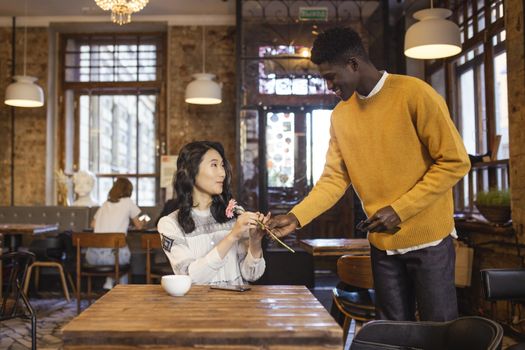
Online dating has become a cornerstone of modern relationships, connecting millions of people across cities, cultures, and continents. Yet, as the digital world brings hearts together, it also faces the challenge of maintaining healthy, respectful, and welcoming communities. Fostering a positive dating community online is not just about matching singles—it’s about creating a safe, supportive space where people can genuinely connect, communicate, and grow. In this article, we’ll explore the essential elements, strategies, and real-world impacts of building a positive dating culture online, along with practical insights, statistics, and a comparative look at how different platforms approach community well-being.
The Importance of a Positive Online Dating Community
Why does the tone of an online dating community matter? According to a 2023 Pew Research Center study, 30% of U.S. adults have used a dating site or app, but over 60% of women aged 18-34 reported experiencing harassment or negative interactions online. Beyond individual experiences, these numbers highlight a growing concern: the atmosphere of a dating platform can significantly influence user satisfaction, safety, and long-term success.
A positive dating community does more than reduce negativity; it encourages authentic engagement, strengthens trust among users, and increases the likelihood of meaningful connections. When people feel respected and valued, they’re more likely to be themselves, take healthy risks, and pursue genuine relationships. For dating platforms, this translates to higher retention rates, more success stories, and a strong reputation—key drivers for growth in a competitive market.
.png)
Key Elements that Define a Positive Dating Community
Building a thriving dating community goes far beyond basic moderation or profile verification. Here are the core elements that distinguish healthy, positive environments from the rest:
1. $1 Transparent rules set expectations for behavior and communication. Leading platforms like Bumble and Hinge not only display community guidelines prominently but also actively enforce them through reporting tools and responsive moderation teams. 2. $1 Features that let users control their experience—such as the ability to limit who can message them or block/report unwanted contact—are crucial. For example, OkCupid allows users to filter matches by specific criteria, while Bumble gives women the power to initiate conversations. 3. $1 A positive community welcomes people of all backgrounds. This includes diverse gender identities, sexual orientations, and cultural backgrounds. Tinder and HER have expanded their gender and orientation options, fostering a sense of belonging for more users. 4. $1 Providing users with resources on healthy dating, consent, and digital etiquette supports better interactions. Apps like Coffee Meets Bagel share dating tips and mental health resources directly in their interface.Each of these elements contributes to an environment where users feel respected and protected—laying the foundation for genuine, positive engagement.
How Technology Supports Community Well-Being
Advancements in technology play a vital role in shaping the culture of online dating communities. Artificial intelligence (AI), machine learning, and automation are increasingly used to detect harmful behavior and promote positive interactions.
- $1 Platforms such as Tinder utilize AI algorithms to screen for abusive language, unsolicited explicit images, and suspicious behavior. In 2022, Tinder reported a 40% decrease in inappropriate content flagged by users after deploying its “Are You Sure?” feature, which prompts users to reconsider before sending potentially offensive messages. - $1 Some apps now employ real-time photo verification and even background checks to enhance safety. Match Group, which owns several major dating platforms, launched the “Garbo” background check tool in 2022, allowing users to screen potential matches for violent criminal records. - $1 Subtle prompts, like reminders to be respectful or suggestions for ice-breaker questions, encourage healthier communication. Bumble’s “private detector” automatically blurs explicit images and asks if the user wants to view or report them.These technologies not only deter negative behaviors but also empower users to engage more confidently, knowing protective measures are in place.
Community-Driven Initiatives: The Power of User Participation
While technology and policy are crucial, fostering a positive dating community also requires the active participation of its members. Community-driven initiatives can transform the culture from the inside out:
- $1 Some platforms recruit respected users as community ambassadors to welcome newcomers, mediate disputes, and model positive behavior. For example, HER’s “Community” feature includes moderators who help guide discussions and ensure inclusivity. - $1 Regular surveys, focus groups, and in-app feedback options give users a voice in shaping the platform’s culture. Hinge’s “Your Turn” feature, which reminds users to respond to messages, was developed based on user feedback about “ghosting.” - $1 Virtual and in-person events, such as speed dating nights or themed chat rooms, encourage positive interactions and help users connect in a more relaxed, community-oriented setting. Meetup and Bumble BFF have both expanded to host events that foster friendships and support networks.When users feel invested in their community, they’re more likely to uphold its standards and contribute to a welcoming environment.
Measuring Success: Comparing Community Health Across Dating Platforms
How do leading dating apps compare in terms of community well-being, safety, and user satisfaction? Below is a comparative overview based on available user surveys, published statistics, and platform-reported data:
| Platform | Harassment Reports (2023) | User Safety Features | Community Engagement | User Satisfaction Rate |
|---|---|---|---|---|
| Tinder | 28% of users reported harassment | Photo verification, AI moderation, background checks | Basic chat, some events | 64% |
| Bumble | 18% of users reported harassment | Women initiate chat, photo verification, private detector | In-app events, community blog | 72% |
| HER | 12% of users reported harassment | Community moderators, reporting tools | Active forums, peer-led events | 79% |
| OkCupid | 24% of users reported harassment | Custom filters, block/report, profile prompts | Q&A, user feedback surveys | 68% |
These figures show that platforms investing in user empowerment, moderation, and community-building tend to see lower harassment rates and higher satisfaction. HER’s strong emphasis on inclusivity and community participation, for example, correlates with its high user satisfaction and low reports of negative experiences.
Challenges in Maintaining a Positive Dating Community
Despite progress, online dating communities face ongoing challenges:
- $1 While anonymity can encourage openness, it can also enable harmful behavior. Balancing privacy and accountability remains a complex issue for platform designers. - $1 With users from diverse backgrounds, what’s considered respectful or appropriate can vary widely. Platforms must continuously adapt their guidelines and moderation to reflect global perspectives. - $1 According to the Federal Trade Commission, romance scams cost Americans $1.3 billion in 2022 alone. Identifying and removing fake profiles while supporting real users is a constant struggle. - $1 Even with positive communities, some users may still experience rejection, fatigue, or disappointment. Providing mental health resources and encouraging healthy boundaries is essential to long-term well-being.These challenges underscore the need for ongoing innovation, transparency, and collaboration between platforms and users.
Creating a Lasting Positive Impact in Online Dating
Fostering a positive dating community online is not a one-time fix, but a continuous process involving technology, policy, and above all, people. Platforms that prioritize safety, inclusivity, and user empowerment are not only more likely to succeed but also to change lives for the better. As users, embracing respectful communication, participating in community initiatives, and providing constructive feedback can help keep the digital dating world a welcoming place for all.
By working together—platforms, moderators, and members alike—we can transform online dating from a risky venture into a genuinely supportive avenue for finding connection and love.