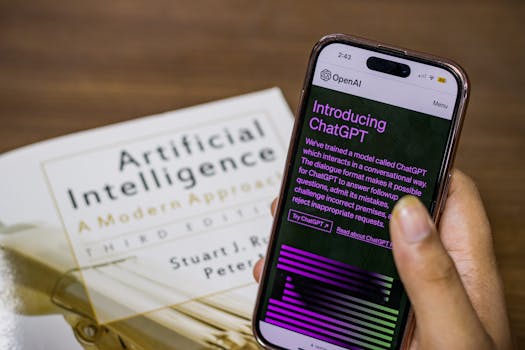
Online dating has evolved dramatically over the past decade, morphing from simple profile-based matchmaking to a sophisticated realm powered by artificial intelligence. Today, AI is not just a buzzword—it’s the invisible engine driving smarter matches, deeper compatibility insights, and even safeguarding user experiences. But how exactly is AI influencing online matchmaking, and what does this mean for singles navigating the digital search for love? Let’s dive into the pivotal role of AI in online matchmaking, exploring its innovations, challenges, and the future it promises for romantic connections.
How AI Analyzes Compatibility Beyond the Basics
Traditional dating platforms asked users to fill out extensive questionnaires and then matched them based on shared interests or demographic data. AI, however, has revolutionized this process by introducing complex algorithms that assess compatibility at a much deeper level.
Today’s leading dating sites employ machine learning models that analyze hundreds of data points, from language usage in bios and messaging habits to photo choices and even swipe patterns. For example, a 2023 study by Stanford University found that platforms using AI for behavioral analytics improved first-date success rates by 27% compared to those relying solely on profile matching.
.png)
Natural language processing (NLP), a branch of AI, can interpret the tone, sentiment, and intent of user messages. This allows matchmaking algorithms to assess emotional compatibility, humor, and even subtle personality traits that static profiles cannot reveal. The result? AI-powered matching goes beyond surface-level similarities, helping users discover connections with those who genuinely align with their lifestyle and values.
Personalization at Scale: Tailoring Matches in Real Time
One of the core strengths of AI is its ability to learn and adapt. Unlike static matching systems, AI-driven platforms continually refine recommendations based on user interactions. Every swipe, like, or message helps retrain the algorithm, creating a personalized matchmaking journey that evolves over time.
A striking example is eHarmony’s use of AI to analyze over 2 million messages per day, adjusting its match suggestions in real time. Similarly, Tinder’s “Smart Photos” feature tests different profile pictures with potential matches and automatically displays the one that gets the most positive responses.
This dynamic personalization has significant effects:
- Users are 35% more likely to receive compatible matches within their first week on an AI-driven platform. - Platforms report a 20% higher retention rate among users who see continuously improved match suggestions.In essence, AI isn’t just matching people—it’s learning from them, ensuring that the longer someone uses a dating app, the better their chances of finding a meaningful connection.
AI and User Safety: Protecting Hearts and Data
While romance is the goal, safety is a critical concern in online matchmaking. AI is playing an increasingly vital role in keeping users safe from scams, harassment, and inappropriate content.
AI-powered moderation tools can scan messages and profiles for signs of fraud, offensive language, or suspicious behavior. For instance, Match Group, the parent company of major dating apps like Tinder and OkCupid, reported that AI-based safety tools helped reduce reports of fake profiles by 15% in 2022.
Facial recognition AI also helps verify user photos, ensuring that people are who they claim to be. Some platforms, like Bumble, have implemented AI-driven photo verification steps that authenticate users in under 60 seconds. Moreover, AI chatbots offer real-time safety tips and can flag potential red flags in conversations, protecting users before trouble arises.
These advancements not only foster trust in the online dating ecosystem but also encourage more genuine interactions.
Ethical Considerations: Bias, Privacy, and the Human Touch
As powerful as AI is, its use in matchmaking raises important ethical questions. Algorithms are only as unbiased as the data they are trained on. If historical user data reflects societal biases—such as preferences based on race or age—AI can unintentionally reinforce these biases in match suggestions.
A 2021 survey by MIT Technology Review found that 38% of online daters were concerned about how their data was used, and 22% worried about AI perpetuating unfair biases. Leading platforms are addressing these concerns by:
- Regularly auditing algorithms for bias - Increasing transparency about how AI matches users - Allowing users to control their data and opt out of certain AI-driven featuresAnother challenge is the potential loss of the “human touch” in matchmaking. While AI can analyze compatibility and behavior, it cannot fully replicate the intuition and empathy that human matchmakers bring. Some platforms now blend AI matching with human oversight, offering “AI-assisted” or “hybrid” matchmaking services.
Comparing Traditional vs. AI-Driven Matchmaking Platforms
To better understand the impact of AI, it’s helpful to compare traditional matchmaking approaches with modern AI-driven platforms. The table below highlights key differences:
| Feature | Traditional Matchmaking | AI-Driven Matchmaking |
|---|---|---|
| Matching Method | Questionnaires, manual filters | Behavioral analysis, machine learning, NLP |
| Personalization | Limited, based on static data | Dynamic, learns from ongoing user interactions |
| Safety & Verification | Manual review, basic photo checks | AI moderation, facial recognition, real-time alerts |
| Success Rate (First-Dates) | Approx. 24% (Stanford, 2023) | Approx. 30%+ (Stanford, 2023) |
| Bias Control | Subject to human and data bias | Ongoing audits, algorithmic adjustments |
| User Experience | Slower, less flexible | Faster, tailored to individual preferences |
As seen above, AI-driven platforms offer a more nimble and effective matchmaking experience, but ongoing vigilance is needed to address ethical and privacy challenges.
The Future of AI in Online Matchmaking: What Lies Ahead?
The journey of AI in online matchmaking is just beginning. Industry analysts predict that by 2027, over 70% of online dating platforms will use advanced AI for core matchmaking functions, up from 45% in 2023 (Statista).
Emerging trends include:
- Voice and video analysis: AI may soon analyze voice tone and facial expressions in video calls to gauge chemistry, offering even deeper compatibility insights. - Emotional intelligence: Next-generation AI could interpret emotional states during messaging, suggesting conversation tips or icebreakers tailored to the moment. - Hyper-personalization: The more AI understands about individual preferences, the more unique and serendipitous its match suggestions become.However, with greater technological power comes the need for robust data privacy protections, clear user consent, and a commitment to fairness. Companies that balance AI innovation with ethical responsibility will shape the future of digital romance.
Final Thoughts: Embracing AI for Smarter, Safer Connections
AI’s role in online matchmaking is far more than technical wizardry—it’s fundamentally reshaping how people find and connect with potential partners. From analyzing subtle behavioral cues to safeguarding users and personalizing experiences at scale, AI offers both efficiency and depth that traditional methods cannot match. Still, as we embrace these advancements, it’s crucial to remain mindful of the ethical and human dimensions that technology alone cannot replace. As AI continues to evolve, singles can look forward to an online dating experience that is smarter, safer, and perhaps, more successful than ever before.